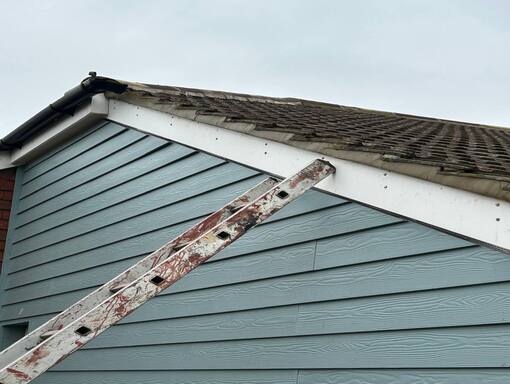
A roof can often remain out of sight and out of mind until a problem becomes noticeable. However, waiting for a leak or visible damage before checking its condition can mean that a relatively small issue has already had time to develop.
Regular attention to the roof can help identify damaged tiles, deteriorated flashing, blocked roofline components and other issues before they become more difficult to manage. For homeowners in Heacham, Norfolk, knowing when to arrange a roof inspection can help maintain the condition and performance of the roofing system.
After severe weather
Strong winds and heavy rainfall can put considerable strain on a roof. Even when there is no obvious damage from ground level, tiles may have moved, flashing may have become loose or other components may have been affected.
An inspection following particularly severe weather can identify problems that are not immediately visible. Finding damaged areas early can allow appropriate repairs to be considered before further weather exposure makes the problem worse.
When you notice a roof leak
A leak is one of the clearest reasons to arrange a roof inspection. Water staining on ceilings, damp patches around the upper parts of a property or occasional dripping can all indicate that water is entering somewhere above.
The visible water damage does not necessarily show where the roof defect is located. Water can travel along the underside of the roof before becoming visible inside the property, so investigating the wider roof area is important.
When roof tiles look damaged or displaced
Cracked, slipped or missing tiles can leave sections of the roof more exposed to rain and wind. A single damaged tile may seem insignificant, but it can create an opening that allows moisture to reach the materials beneath.
If you can safely see damaged tiles from ground level, arranging a professional inspection can help determine whether they need to be repaired or replaced.
If the roof is showing signs of age
Roofing materials naturally deteriorate over time. Even if a roof has not developed an obvious fault, older materials may be more susceptible to cracking, weathering and other forms of deterioration.
An inspection can provide a clearer picture of the current condition of the roof and identify areas that may require maintenance. This can be particularly useful when there are visible signs of wear but no specific leak has developed.
When you notice damaged flashing
Flashing helps protect vulnerable points where different sections of the roof meet. It is commonly found around features such as chimneys and roof junctions.
Loose, cracked or deteriorated flashing can create potential routes for water to enter. Because some flashing defects can be difficult to identify from ground level, professional assessment is useful when there are signs of dampness around these areas.
When gutters or roofline components appear damaged
Problems with gutters can sometimes be connected to wider roofline issues. Sagging, loose or damaged guttering may affect how rainwater is collected and directed away from the property.
An inspection can help determine whether the issue is isolated to the guttering or whether other roofline components also require attention.
If damp or mould appears inside the property
Unexplained dampness, staining or mould around ceilings and upper walls can sometimes indicate moisture entering through the roof. However, internal damp can have several possible causes, so it should not automatically be assumed that the roof is responsible.
A professional roof inspection can help determine whether there is an external roofing defect contributing to the problem.
When you are buying or maintaining a property
A roof inspection can also be useful when carrying out general property maintenance. Understanding the condition of the roof can help homeowners identify areas requiring attention and plan appropriate maintenance.
For properties in Heacham, Norfolk, keeping an eye on the roof as part of wider home maintenance can help ensure that small defects are not overlooked.
What does a professional roof inspection involve?
A professional inspection involves assessing the visible condition of the roof and looking for signs of damage, deterioration and potential water entry. Depending on the circumstances, this may include examining tiles, flashing, roofline components and other accessible areas.
The purpose is not simply to identify defects but to understand their likely cause and determine whether repair or further investigation is appropriate.
How Heacham Roofing Services can help
At Heacham Roofing Services, we can assess roofing concerns and identify areas that may require attention. Whether you have noticed a leak, damaged tiles or deterioration following severe weather, a professional inspection can provide a clearer understanding of the roof’s condition.
For homeowners in Heacham, Norfolk, addressing concerns early can help keep roofing problems manageable and protect the condition of the wider roof.
Conclusion
There is no need to wait for a major leak before arranging a roof inspection. Severe weather, damaged tiles, deteriorating flashing, unexplained dampness and visible signs of ageing can all be good reasons to have the roof assessed.
A professional inspection can help identify problems while they are still localised and establish what action is appropriate. If you have concerns about the condition of your roof in Heacham, Norfolk, contact Heacham Roofing Services to arrange an inspection and discuss any necessary repairs.
Call us on: 01485 506 937
Click here to find out more about Heacham Roofing Services
Click here to complete our contact form and see how we can help with your roofing needs.