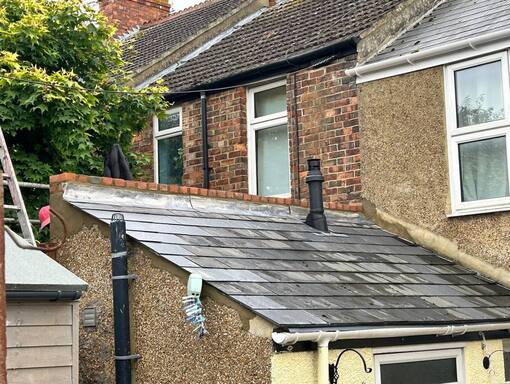
When homeowners discover a roof leak, they often assume that broken tiles or storm damage are to blame. While these are certainly common causes, one of the most frequent sources of water ingress is the chimney. Because a chimney passes through the roof structure, it creates several junctions that must remain completely weatherproof. As these areas age, they become increasingly vulnerable to leaks.
For homeowners in Heacham, Norfolk, understanding why chimneys are responsible for so many roofing problems can help identify issues early and prevent unnecessary damage to the property. At Heacham Roofing Services, we regularly inspect and repair roofs where chimney defects have allowed water to penetrate the roofing system.
Why Chimneys Create Vulnerable Areas
Unlike the main roof covering, which forms a continuous protective barrier, a chimney interrupts the roof surface. This means additional materials and construction methods are required to create a watertight seal where the chimney meets the roof.
Over time, constant exposure to rain, wind, frost and temperature changes places significant stress on these junctions, making them one of the most common locations for leaks to develop.
Flashing Is Often the First Area to Fail
The flashing surrounding a chimney is designed to direct rainwater away from the junction between the chimney stack and the roof covering.
As roofs age, flashing can:
- Become loose
- Crack or split
- Deteriorate through weathering
- Separate from the surrounding materials
Once flashing is compromised, water can easily enter beneath the roof covering and travel into the roof structure.
Professional inspections can often identify flashing defects before they develop into serious leaks.
Mortar Deterioration Around the Chimney
Chimneys are built using brickwork and mortar, both of which are constantly exposed to the elements.
As mortar ages, it can begin to crack or erode, creating small openings that allow moisture to enter the chimney structure.
Common warning signs include:
- Crumbling mortar joints
- Small cracks in the brickwork
- Loose pointing
- Visible signs of weathering
Although these defects may appear minor, they can allow significant amounts of water to penetrate over time.
Water Doesn’t Always Appear Where the Leak Starts
One of the most confusing aspects of chimney leaks is that the visible signs inside the property are often some distance from the source.
Water entering around a chimney may travel along:
- Roof timbers
- Roofing felt or underlay
- Rafters
- Ceiling joists
As a result, damp patches or ceiling stains may appear in rooms well away from the chimney itself.
This is why professional diagnosis is essential to identify the true cause of the leak.
Roof Tiles Around Chimneys Experience Greater Stress
The roof covering immediately surrounding a chimney is subject to more movement and weather exposure than many other areas.
Tiles or slates near the chimney may become:
- Cracked
- Slipped
- Loose
- Damaged by weather
Even a single displaced tile can allow water to enter the roof structure, especially during periods of prolonged rainfall.
Chimney Movement Can Affect the Roof
Over many years, minor movement can occur within both the chimney and the roof structure.
This natural movement may place pressure on:
- Flashing
- Mortar joints
- Adjacent roof tiles
- Waterproof seals
As these components begin to separate, small gaps can form that allow rainwater to penetrate.
Routine roof inspections help detect these issues before significant water damage occurs.
Weather Has a Greater Impact Around Chimneys
Chimneys are among the highest points on a roof and are exposed to wind-driven rain from every direction.
This constant exposure accelerates the ageing of surrounding materials and increases the likelihood of water finding weak points within the roofing system.
For homeowners in Heacham, Norfolk, regular maintenance becomes particularly important where chimneys are present.
Regular Roof Inspections Help Prevent Chimney Leaks
Many chimney-related leaks can be prevented through routine inspections and maintenance.
Professional roof surveys can identify:
- Worn flashing
- Loose tiles around the chimney
- Deteriorating mortar
- Early signs of water ingress
- General age-related wear
Addressing these issues promptly helps maintain the weatherproof integrity of both the chimney and the roof.
At Heacham Roofing Services, we provide comprehensive roof inspections, chimney repairs and roofing maintenance throughout Heacham, Norfolk, helping homeowners keep their properties protected throughout the year.
Conclusion
Chimneys are responsible for many roof leaks because they create natural weak points within the roofing system. Ageing flashing, deteriorating mortar, damaged tiles and structural movement can all contribute to water ingress if left unchecked.
For homeowners in Heacham, Norfolk, regular inspections and timely repairs are the most effective way to prevent chimney-related roofing problems. If you have noticed signs of a roof leak or are concerned about the condition of your chimney, Heacham Roofing Services can provide expert advice and professional roofing solutions to help protect your home for years to come.
Call us on: 01485 506 937
Click here to find out more about Heacham Roofing Services
Click here to complete our contact form and see how we can help with your roofing needs.